


Discover›Spirits guide
Brandy
Grape brandy, from Gascony to Jerez
Every cognac is a brandy, but most brandy isn’t cognac. Brandy is wine, distilled and aged in oak, and it is made wherever vines grow. Here is how Armagnac, Brandy de Jerez, pisco and the rest differ from cognac, and what their labels mean.
A short history
Seven centuries of burnt wine
Distilled wine began as a medicine. Dutch shipping turned it into a trade and gave it its name: brandewijn, ‘burnt wine’, became brandy in English. Today grape brandy is made from Gascony to the Cape, and a few places guard their own names closely.
- 1310Vital Du Four, prior of Eauze in Gascony, praises the 40 virtues of a ‘burning water’ distilled from wine: the first written trace of Armagnac.
- 1600sDutch traders carry distilled wine across Europe as brandewijn, ‘burnt wine’. In English it becomes brandewine, then simply brandy.
- 1818A patent for a continuous still gives Armagnac its own way of distilling, still used for most Armagnac today.
- 1874In Jerez, Pedro Domecq launches Fundador, the first brandy sold as Brandy de Jerez.
- 1909Decrees draw the borders of the Cognac region in May, and of the three Armagnac areas a few weeks later.
- 2005Blanche Armagnac, clear and unaged, gets an appellation of its own.
How it’s made
From wine to brandy: seven choices
All grape brandy starts as wine. What follows decides the style: how many times it is distilled, in what kind of still, how long it spends in oak, and in which casks.
01
Wine first
In European law, brandy on its own means grape brandy: a spirit distilled from wine. Most makers want the same base, a light, acidic white wine that distils cleanly, and they use the grapes that grow best around them.
Ugni blanc rules in Cognac and is also the main grape in Armagnac, alongside Baco, a hybrid bred after phylloxera, Folle blanche and Colombard. Spanish brandy is mostly distilled from Airén wine from La Mancha; Peru’s pisco relies on Quebranta and aromatic Muscat varieties.
10grape varieties allowed in Armagnac
02
Twice in a pot still
The cognac way: wine distilled in a small copper pot still, then distilled again, keeping only the heart. Two runs give a fine, aromatic spirit of about 70% that needs years in oak to show its best. Our Cognac guide follows each step.
Others work the same way. South Africa’s potstill brandy must be entirely double-distilled in copper pot stills and aged at least three years in casks of 340 litres or less. In Jerez, the finest base spirit, holandas, is distilled to 70% or less, traditionally in copper stills.
3 yearsminimum for South African potstill brandy
03
Once, in the Armagnac still
Most Armagnac is distilled just once, in the alambic armagnacais, a small copper column heated over an open flame and patented in 1818. Cool wine flows into the condenser tank, warms up as it cools the spirit in the coil, then trickles down over the plates of the column while the vapour rises through it.
The spirit leaves the still at 52 to 72.4%, usually at the lower end, so it keeps far more of the wine’s flavour than cognac does. Fiery when young, it needs long years in oak. Some houses also distil twice, cognac-style: both methods are allowed in the appellation.
52–72%off the Armagnac still
04
Column stills
Industrial columns run day and night and can distil much higher. Under EU law, wine spirit must come off the still below 86%, and up to half the alcohol in a brandy may be wine distillate made at up to 94.8%: lighter, more neutral and quicker to make.
That lighter spirit is the base of much of the world’s everyday brandy, and it leaves more of the work to the cask. In South Africa, for example, a blended brandy must contain at least 30% potstill brandy; the rest may be column spirit.
< 86%wine spirit, under EU law
05
Oak & time
Time in oak is what turns a clear eau-de-vie into brandy. EU law asks for at least six months in casks under 1,000 litres, or a year in larger ones. Most protected names ask for more: two years for cognac, one for Armagnac, twelve months in small casks for Deutscher Weinbrand.
The wood matters too. Armagnac traditionally ages in local Gascon oak, rich in tannin; cognac in Limousin and Tronçais oak. Casks are toasted over a fire, and new casks give far more colour and tannin than old ones.
6 monthsin oak, the EU minimum for brandy
06
Solera in Jerez
Brandy de Jerez need not be distilled in Jerez, and is mostly made from Airén wine from La Mancha. But it must age in Jerez de la Frontera, El Puerto de Santa María or Sanlúcar de Barrameda, in American oak butts, usually of around 500 litres, that have held sherry.
Like sherry, it ages in criaderas and solera: brandy for bottling is drawn from the oldest row, which is topped up from the younger rows above, so the ages on the label are averages. Fino casks give a lighter brandy, Oloroso and Pedro Ximénez casks a darker, sweeter one.
3 townswhere Brandy de Jerez must age
07
No wood at all
Not all brandy sees oak. Peru’s pisco is distilled once and bottled at the strength it leaves the still, 38 to 48%, with no water added, after resting at least three months in glass, steel or clay. It is the spirit of the Pisco Sour.
Gascony has its own clear spirit: Blanche Armagnac, its own appellation since 2005, rests at least three months in inert vessels before bottling. Both taste of the grape itself: flowers, fresh fruit and a little spice.
38–48%Peruvian pisco, straight from the still
Styles
Cognac’s cousins
Grape brandy is made on every continent where vines grow. These are the main families, and how they compare with cognac.
Cognac
Distilled twice in copper pot stills and aged at least two years in French oak, in the Charentes, north of Bordeaux: fine, floral and fruity. Our Cognac guide tells the whole story. On our shelves: Hennessy, A.E. Dor, Jules Gautret, Moisans.
Armagnac
Gascony’s brandy, mostly distilled once and often sold by vintage. Fuller and more rustic than cognac, with prune, fig and spice. On our shelves: Duc Moisans, from VS to XO, and vintages back to 1974.
Brandy de Jerez
Spain’s best-known brandy, aged in sherry casks by the solera system: warm and round, with raisin, walnut and toffee. Solera, Solera Reserva and Solera Gran Reserva mark rising ages.
French brandy
Grape brandy made in France outside the cognac and armagnac rules: lighter, gentler and priced for mixing. On our shelves: Concorde XO, Fontgalant.
European brandy
Germany’s Weinbrand, Italian brandy and the brandies of Greece, Armenia and Georgia each have their own traditions. Deutscher Weinbrand, for example, must spend at least 12 months in small oak casks and be bottled at 38% or more.
South African brandy
Potstill brandy is all pot-still spirit, aged at least three years in small casks; blended brandy, the everyday style, must contain at least 30% of it. The best are often compared with cognac.
Pisco
Clear grape brandy from Peru and Chile. Peruvian pisco is distilled once and never meets wood or water; Chilean pisco may be diluted and aged in wood. The base of the Pisco Sour.
Fruit brandy & marc
Calvados from apples, kirsch from cherries, Poire Williams, and marc or grappa from grape skins: in EU law these are fruit, cider or marc spirits, not brandy. A ‘cherry brandy’ is usually a liqueur.
The rules
What the word means
‘Brandy’ on its own is a broad word; the protected names are strict. The headline rules, simplified:
Brandy in the EU
Regulation (EU) 2019/787
- Made from wine spirit; up to half its alcohol may be wine distillate made at up to 94.8%
- At least 6 months in oak casks under 1,000 litres, or 1 year in larger ones
- Bottled at 36% or more
- No flavouring; caramel only for colour
- At most 35 g of sweetening per litre
Armagnac
AOC · areas drawn in 1909
- Bas-Armagnac, Armagnac-Ténarèze and Haut-Armagnac, in Gascony
- Distilled by 31 March, mostly once in the Armagnac column, to 52–72.4%
- VS at least 1 year in oak, VSOP 4, XO and Hors d’âge 10
- A vintage must spend at least 10 years in oak
- Blanche Armagnac: unaged, its own appellation since 2005
Brandy de Jerez
Geographical indication
- Aged only in Jerez de la Frontera, El Puerto de Santa María and Sanlúcar de Barrameda
- In oak casks that have held sherry, by criaderas and solera
- Solera: at least 6 months on average
- Solera Reserva: at least 1 year
- Solera Gran Reserva: at least 3 years
Pisco Perú
Denomination of origin, Peru
- From fermented grape must of approved varieties
- Distilled once, in pot stills
- Bottled at still strength, 38–48%: no water added
- Rests at least 3 months in glass, steel or clay; never wood
A simplified summary; each set of rules goes into more detail. South Africa’s potstill brandy, for example, must be entirely pot-still spirit aged at least 3 years in casks of 340 litres or less.
Words to know
A short brandy glossary
- Eau-de-vie
- ‘Water of life’: French for a clear spirit distilled from wine or fruit. Cognac and Armagnac are eaux-de-vie de vin.
- Wine spirit
- EU term for wine distilled to less than 86%: the raw material of brandy.
- Holandas
- In Jerez, the finest base spirit, distilled to 70% or less. The name recalls the old Dutch trade.
- Alambic armagnacais
- The small copper column still in which most Armagnac is distilled, once.
- Blanche
- Unaged Armagnac, clear as water, with its own appellation since 2005.
- Vintage · millésime
- Brandy from a single harvest. A speciality of Armagnac, which must spend at least 10 years in oak to carry a year.
- Hors d’âge
- ‘Beyond age’: at least 10 years in Cognac and Armagnac, and often far more.
- Solera
- Tiered ageing borrowed from sherry and used for Brandy de Jerez: the oldest casks are topped up from younger ones.
- Marc
- Spirit distilled from the grape skins and pips left after pressing; grappa in Italy. Not brandy in EU law.
- Weinbrand
- German for brandy. Deutscher Weinbrand is a protected name with its own, stricter rules.
How to taste
Five steps to taste brandy
- Choose the glassA tulip-shaped glass gathers the aromas better than a wide balloon.
- LookPisco and Blanche are clear as water; the amber of older brandy comes from oak, sherry casks and sometimes caramel.
- NoseCognac leans to flowers and fruit, Armagnac to prune, fig and spice, Brandy de Jerez to raisin, walnut and toffee.
- Water, ice or a cocktailA drop of water opens up a strong Armagnac. Young brandy shines in a Sidecar, pisco in a Pisco Sour.
- Taste & finishTry a cognac and an Armagnac of similar age side by side: the difference the still and the oak make is easy to taste.
Not sure where to start? Come and taste the difference with us at the shop: we’re happy to help you choose.
Plan your visit →In our shop
Brandy & Armagnac on our shelves
Armagnac from Duc Moisans, from VS to vintages going back to 1974, French brandy for mixing and, of course, our cognacs. Collect them at the shop or get free local delivery.
-

Duc Moisans Vintages Armagnac 1974 wooden box 0.7l 40%
€189.95 Add to cart -

DUC MOISANS ARMAGNAC XO wooden box 0.7l. 40%
€58.95 Add to cart -

Duc Moisans Vintages Armagnac 1990 wooden box 0.7l 40%
€73.95 Add to cart -

Duc Moisans Vintages Armagnac 1980 wooden box 0.7l 40%
€95.95 Add to cart -

DUC MOISANS ARMAGNAC VSOP 0.7l 40%
€20.95 Add to cart -

DUC MOISANS ARMAGNAC VS 0.7l. 40%
€15.95 Add to cart -

Concorde XO French Brandy 0.7L. 37%
€16.95 Add to cart -

Fontgalant French Brandy 0.7L. 40%
€12.95 Add to cart -

Cognac Jules Gautret XO Swan 0.7l 40%
€79.95 Add to cart -

Cognac AE DOR Extra 30 YO Grande Champagne
€199.95 Add to cart -
★★★★★Very recommended
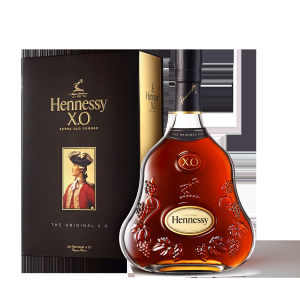
Cognac Hennessy Xo 1L 40%
€216.95 Add to cart -

Cognac AE DOR Carafe XO 25yo 0.7l 40%
€99.95 Add to cart