



Discover›Spirits guide
Tequila
From blue agave to your glass
Tequila is Mexico’s great spirit: the heart of the blue agave, slow-cooked, crushed, fermented and distilled twice, then bottled clear or rested in oak. Here is how it is made, step by step, the styles from blanco to extra añejo, what the rules on the label mean, and how to enjoy it.
A short history
From agave fields to the world’s bars
Tequila takes its name from a small town in Jalisco, in western Mexico, where agave has been cooked and distilled for some four centuries. It began as ‘mezcal wine from Tequila’, became Mexico’s national spirit, and its name is now protected in more than 40 countries.
- 1500sThe peoples of western Mexico have made fermented drinks and cloth from agave for at least 2,000 years. In the 16th century the Spanish bring the still, and around the village of Tequila, founded in 1530, cooked agave is distilled into ‘mezcal wine’.
- 1758The King of Spain grants José Antonio de Cuervo land at Tequila, where his family grows agave and distils it.
- 1795King Carlos IV gives his son, José María Guadalupe de Cuervo, the first royal licence to make and sell ‘mezcal wine’. Tequila has its first official house, and Cuervo is still the best-known name in tequila.
- 1873Cenobio Sauza, who learnt the trade at Cuervo, sets up on his own. He is credited with choosing the blue agave as the best plant for tequila, and with sending the first barrels to the United States, today its biggest market.
- 1974Mexico declares the appellation of origin ‘Tequila’, the country’s first: the name now belongs to spirit from blue agave, made in a defined area. In 1994 the Tequila Regulatory Council is set up to check every step, from field to bottle.
- 2006UNESCO lists the Agave Landscape and Ancient Industrial Facilities of Tequila as World Heritage: 34,658 hectares of blue agave fields and old distilleries between the Tequila volcano and the deep valley of the Río Grande.
How it’s made
From field to glass: seven steps
Tequila is made from a single plant, the blue agave, which takes years to grow. Its heart is cooked until sweet, crushed, fermented and distilled twice, then bottled young or rested in oak. Each step leaves its mark on the taste.
01
Blue agave
Tequila may be made from one plant only: Agave tequilana Weber, blue variety. It is not a cactus but a succulent of the asparagus family, with stiff, blue-grey leaves edged with thorns and a sharp spine at the tip.
It grows for six to eight years before it is ready. When the flower stalk, the quiote, shoots up, growers cut it off so that the plant keeps its sugar in its heart. Agave from the Highlands of Jalisco, around Arandas, tends to give sweeter, fruitier tequila; from the valley around the town of Tequila, earthier and more peppery.
6–8years for a blue agave to grow before the harvest
02
The jima
The harvest is called the jima, and it is still done by hand. The jimador cuts the leaves away with a coa, a long pole with a sharp, round blade, until only the heart is left: the piña, which looks like a giant pineapple.
Skill passes down the generations in jimador families: knowing when a plant is ripe, and trimming it close without wasting its sugar, matters as much as anything that follows. The piñas are taken to the distillery the same day or the next.
40 kgor more: the weight of a ripe piña
03
Cooking the piñas
Raw agave holds its sugar in a form yeast cannot use, so the piñas are halved or quartered and cooked. In the traditional horno, a brick or stone oven, they steam slowly for one to two days; in a steel autoclave, under pressure, for about half a day.
Cooking turns them dark, soft and sweet, with a taste of caramel and baked sweet potato. Some large houses use a diffuser instead, which washes the sugar out of raw agave with hot water: faster, but with less of the cooked-agave taste.
24–48 hof slow steaming in a traditional brick oven
04
Crushing
The cooked piñas are crushed to free their sweet juice. The old way is the tahona: a heavy wheel of volcanic stone, once pulled round a stone pit by mules, today often by a small tractor. A few houses still use it for some or all of their tequila.
Most distilleries now use roller mills, which shred the agave and rinse it with water to wash out every drop of sugar. The juice, called mosto, goes to the fermenting vats; some houses add part of the fibres too, for more flavour.
≈ 7 kgof agave for one litre of tequila
05
Fermentation
Yeast turns the sugar in the mosto into alcohol, in open vats of stainless steel or wood, over two days to a week or more. Many houses keep their own yeast; some let wild yeasts do the work, for a fuller, more rustic taste.
This is where the two kinds of tequila part ways. In a ‘100% agave’ tequila every bit of sugar comes from blue agave. In plain ‘tequila’, often called mixto, at least 51% must come from agave; the rest may be other sugars, usually from cane.
51%of the sugars at least come from agave in any tequila; all of them in ‘100% agave’
06
Distilled twice
Tequila is distilled at least twice, mostly in pot stills of copper or stainless steel, some in column stills. The first distillation gives the ordinario, at about 20 to 25%; the second raises it to around 55% and refines it.
The distiller keeps the heart and sets aside the heads and tails. By law tequila must be bottled at 35 to 55%; most is brought down with water to 38 or 40%.
2×distilled at least, to around 55%
07
Rested in oak
Blanco is bottled straight from the still or after a short rest in steel. The other classes go into oak, often American white oak barrels that once held bourbon, sometimes French oak: reposado for two to twelve months, añejo for at least a year and extra añejo for at least three, both in barrels of 600 litres or less.
In Mexico’s warm climate oak works fast, giving colour and notes of vanilla, caramel and spice. Up to 1% of caramel, oak extract, glycerine or sugar syrup may be added to soften the taste, even in 100% agave tequila; houses that add nothing often say so. All 100% agave tequila is bottled in Mexico.
600 Lthe largest barrel allowed for añejo and extra añejo
Styles
Eight styles of tequila
A tequila’s character comes from its agave, its home and its time in oak. Here are the main styles, with the names you will meet on the label.
Blanco or plata
Clear and unaged, or rested less than two months: the purest taste of agave, with citrus, white pepper and fresh herbs. On our shelves: Corazón and El Mayor Blanco.
Reposado
‘Rested’ two to twelve months in oak: pale gold and softer, with vanilla and a touch of spice over the agave. On our shelves: Corazón Reposado.
Añejo
‘Aged’ at least a year in barrels of 600 litres or less: amber and rounder, with caramel, dried fruit and oak, made for sipping. On our shelves: Corazón and El Mayor Añejo.
Extra añejo
At least three years in oak, a class added in 2006: deep amber and rich, close to a fine brandy, though the agave should still show. On our shelves: El Mayor Extra Añejo, at least three and a half years in American oak.
Joven or oro
‘Young’ or ‘gold’: blanco blended with aged tequila, or, in mixto, coloured and softened with caramel. Often the tequila of shots and frozen margaritas.
Cristalino
An añejo or older tequila filtered through charcoal until it is clear again: the smoothness of oak with the look of a blanco. Not an official class: on the label it stays añejo or extra añejo.
Highlands & valley
Two homes in Jalisco. Los Altos, the Highlands around Arandas, with red, iron-rich soil and cool nights, give sweeter, fruitier, floral tequilas; the valley around the town of Tequila, on volcanic soil, earthier, peppery, herbal ones. On our shelves: Corazón and El Mayor, both distilled near Arandas.
Mezcal & cousins
Tequila is a kind of mezcal, made from one agave in one area. Mezcal itself, mostly from Oaxaca, may use many agaves, often roasted in earth pits, which gives its smoky taste. Raicilla, bacanora and sotol are its cousins.
The rules
What the label means
Tequila is protected by Mexican law: the official standard NOM-006-SCFI-2012 sets what may be called tequila, and the Tequila Regulatory Council (CRT) checks every step. The EU protects the name too. The headline rules, simplified:
Tequila
Mexican standard NOM-006-SCFI-2012
- Made from blue agave, Agave tequilana Weber, blue variety
- Agave grown and spirit made in the protected area: all of Jalisco and some municipalities of Guanajuato, Michoacán, Nayarit and Tamaulipas
- At least 51% of its sugars from agave
- Bottled at 35 to 55% alcohol
- Every step inspected and certified by the CRT
100% agave
The two categories
- All its sugars from blue agave
- Bottled in Mexico
- Labelled ‘100% de agave’, ‘100% puro de agave’ or similar
- Plain ‘tequila’, or mixto, may take up to 49% other sugars
- In both, up to 1% of caramel, oak extract, glycerine or syrup may be added
The classes
Time in oak
- Blanco or plata: unaged, or rested less than 2 months
- Joven or oro: blanco blended with aged tequila, or softened
- Reposado: at least 2 months in oak
- Añejo: at least 1 year in oak barrels of 600 litres or less
- Extra añejo: at least 3 years in oak barrels of 600 litres or less
Reading the label
Names and numbers
- NOM and four digits: the distillery that made it
- ‘100% de agave’: no other sugars
- Highlands, or Los Altos, and valley: where the agave grew
- Cristalino: an aged tequila filtered clear
- ‘Additive-free’: a claim by some houses, not an official term
A simplified summary of the Mexican standard, which goes into more detail. In the EU, tequila has been protected since the 1997 agreement between the EU and Mexico on spirit drink names, and since 2019 also as a registered geographical indication.
Words to know
A short tequila glossary
- Agave azul
- Blue agave, Agave tequilana Weber: the one plant tequila may be made from.
- Piña
- The heart of the agave, left once the leaves are cut away; it looks like a giant pineapple.
- Jimador
- The agave harvester, who trims the plants with a coa.
- Coa
- The jimador’s tool: a long pole with a sharp, round blade.
- Horno
- A brick or stone oven in which the piñas are slowly steamed.
- Tahona
- A heavy stone wheel that crushes the cooked agave in a round pit.
- Mosto
- The sweet agave juice that goes into the fermenting vats.
- Ordinario
- The spirit of the first distillation, at about 20 to 25%.
- NOM
- Four digits on the label that identify the distillery.
- Caballito
- ‘Little horse’: the tall, narrow shot glass of Jalisco.
How to taste
Five ways to enjoy tequila
- The glassA small tulip or white-wine glass brings out a fine blanco or añejo. The tall, narrow caballito is the classic glass of Jalisco, for sipping, not only for shots.
- TemperatureAt room temperature and neat for tasting: cold hides the agave. Keep the ice for long drinks and cocktails.
- Nose & tasteLook for the agave first: cooked and sweet, green and herbal, with citrus and white pepper in a blanco. With time in oak come vanilla, caramel, cinnamon and dried fruit. A good tequila finishes clean and warm, never harsh.
- At the tableIn Mexico tequila is sipped slowly, often with sangrita, a spicy chaser of orange, lime and chilli; salt and lime are optional, and a good tequila does not need them. Try a blanco with ceviche or tacos, an añejo with dark chocolate.
- In cocktailsTequila is the base of the Margarita, with lime and orange liqueur, and of the Paloma, a favourite in Mexico, with grapefruit soda. Try also the Tequila Sunrise, the Tommy’s Margarita with agave syrup, or a reposado in an Old Fashioned.
Looking for a tequila to sip, for a cocktail evening or a gift? Come and see us at the shop: we’re happy to help you choose.
Plan your visit →In our shop
Tequila on our shelves
100% agave tequilas from Jalisco, from blanco to extra añejo: Corazón from Casa San Matías and El Mayor from the González family. Collect them at the shop or get free local delivery.
-

Corazon Tequila Single Estate Blanco 40% 0.7L
€24.95 Add to cart -

Corazon Tequila Single Estate Reposado 40% 70cl
€27.95 Add to cart -
★★★★★Very recommended

Corazon Tequila Single Estate Anejo 40% 0.7L
€32.95 Add to cart -
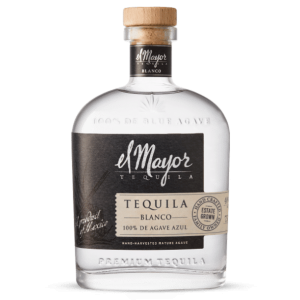
El Mayor Blanco (100% Blue Agave) 40% 0.7l
€32.95 Add to cart -
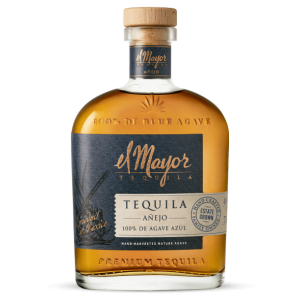
El Mayor Anejo (100% Blue Agave) 40% 0.7l
€35.95 Add to cart -
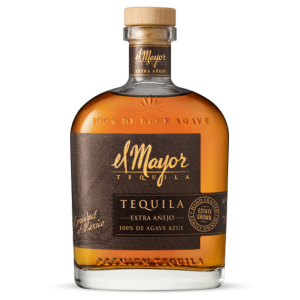
El Mayor Extra Anejo (100% Blue Agave) 40% 0.7l
Price on request · WhatsApp +376 694 024 · contact@whisky.ad On request